
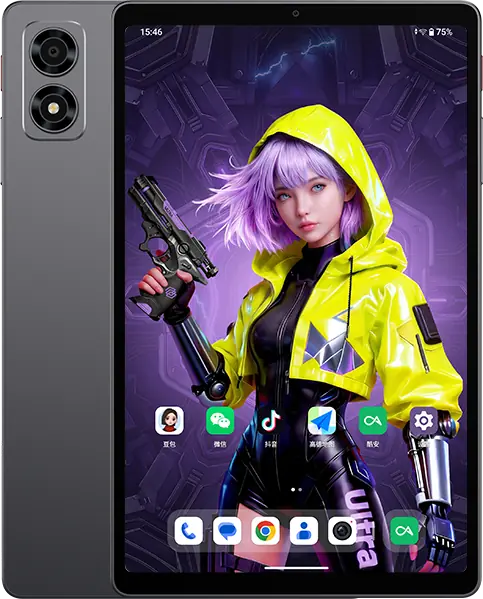

The ALLDOCUBE iPlay 80 mini Ultra 5G is a compact Android gaming tablet with an 8.8 inch 2.5K display and a 144 Hz refresh rate. The MediaTek Dimensity 8300 provides high performance CPU, GPU, AI, and 5G capabilities. The tablet combines portable dimensions, fast wireless connectivity, and gaming focused display hardware for Android games, media consumption, emulation, and mobile work.
The iPlay 80 mini Ultra 5G is a compelling compact performance tablet for buyers who prioritize a high refresh display, modern connectivity, and powerful mobile silicon over a larger screen.
The ALLDOCUBE iPlay 80 mini Ultra 5G occupies the specialist segment of compact Android tablets built around gaming oriented performance rather than entry level media consumption. Its stated MediaTek Dimensity 8300 platform is fabricated on a 4 nm process and pairs modern Arm CPU cores with a Mali G615 class graphics processor, an integrated AI engine, and a 5G modem. The defining hardware feature is an 8.8 inch 2.5K display capable of operating at up to 144 Hz, a combination that targets responsive touch driven games, high frame rate content, and exceptionally smooth interface navigation. Built in 5G and Wi-Fi 6E distinguish the device from many compact tablets that rely only on Wi-Fi, particularly for cloud gaming, multiplayer titles, travel, and tether free internet access. Several implementation details, including memory capacity, cameras, battery rating, supported cellular bands, physical dimensions, and regional software configuration, can vary by retail version and should be verified against the official listing for the exact unit being purchased.
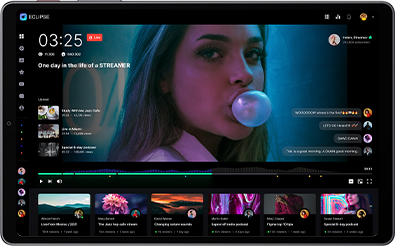
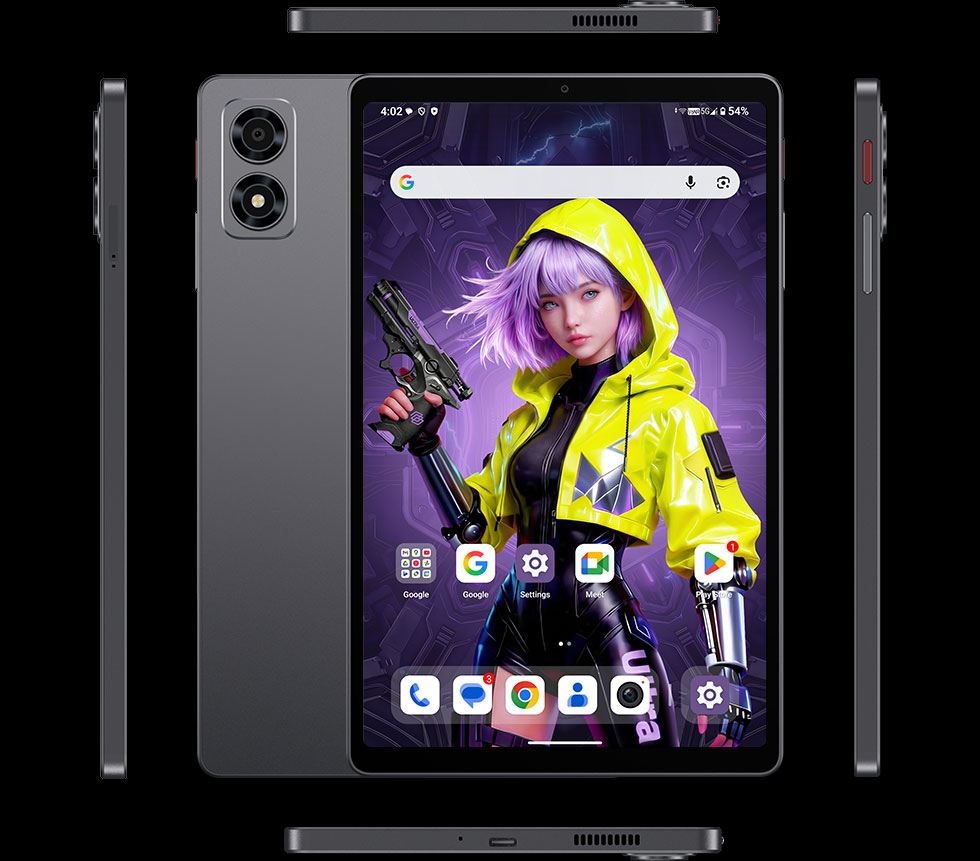
📸 Official Product Gallery
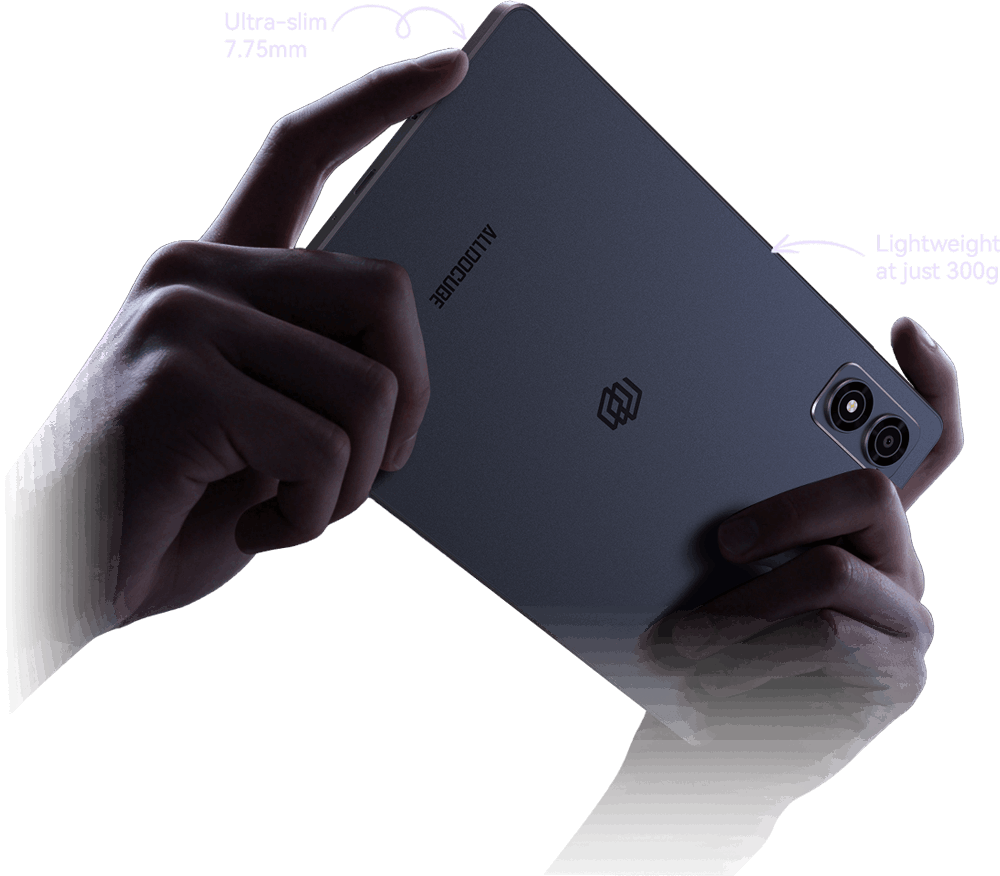
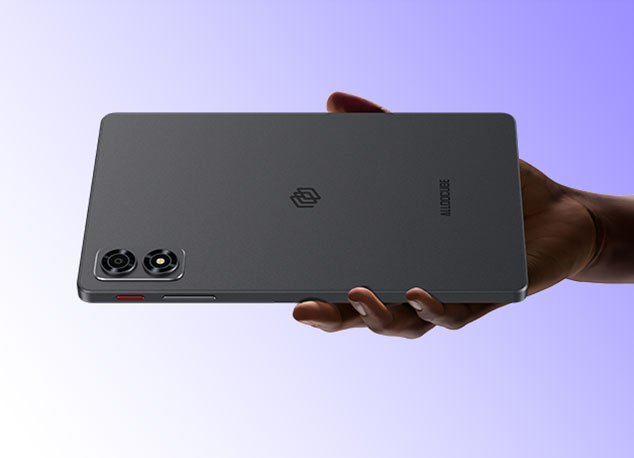
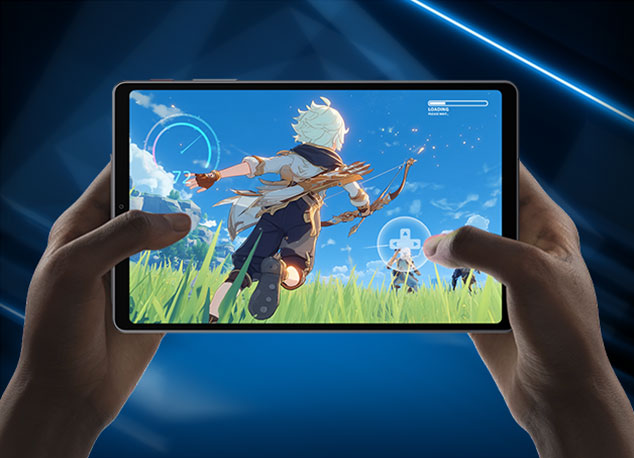
📊 Exhaustive Technical Specifications
| Brand | ALLDOCUBE |
| Model | iPlay 80 mini Ultra 5G |
| Product category | Compact Android gaming tablet with cellular connectivity |
| Operating system | Android, with exact version, security support period, and upgrade policy dependent on the final market configuration |
| System on chip | MediaTek Dimensity 8300 |
| Semiconductor process | 4 nm |
| CPU configuration | Octa core CPU with 1 x Cortex A715 up to 3.35 GHz, 3 x Cortex A715 up to 3.20 GHz, and 4 x Cortex A510 up to 2.20 GHz |
| Graphics processor | Arm Mali G615 MC6 |
| AI processor | MediaTek APU 780 |
| Memory | LPDDR5X class RAM, with installed capacity requiring confirmation for the selected SKU |
| Internal storage | UFS class flash storage, with capacity and exact UFS generation requiring confirmation for the selected SKU |
| Storage expansion | microSD support is not confirmed and may differ by final hardware version |
| Display size | 8.8 inches |
| Display resolution | 2.5K class resolution, commonly 2560 x 1600 pixels in this display format |
| Aspect ratio | 16:10 |
| Refresh rate | Up to 144 Hz |
| Panel technology | Exact panel technology is not publicly confirmed in the provided specification, although a high refresh LCD class panel is the likely implementation |
| Touch input | Multi touch, with touch sampling rate not publicly specified |
| Mobile connectivity | 5G cellular networking |
| SIM implementation | Physical SIM format, dual SIM capability, and eSIM availability require regional verification |
| Wi-Fi | Wi-Fi 6E |
| Bluetooth | Exact Bluetooth version is not confirmed by the stated product specification |
| Navigation | GPS capability is likely for a 5G version, but supported satellite systems should be confirmed by region |
| Data and charging port | USB-C, with USB data generation, DisplayPort video output, and USB OTG behavior not publicly confirmed |
| Audio | Integrated speakers, with speaker count, codec support, and Hi-Res certification not publicly confirmed |
| Cameras | Front and rear cameras are likely for a conventional tablet configuration, but resolutions and sensor specifications are not confirmed |
| Battery | Capacity not publicly confirmed |
| Charging | USB-C charging, with maximum wired charging power not publicly confirmed |
| Thermal design | Passive or hybrid thermal architecture, with vapor chamber use, graphite layers, and sustained performance limits not publicly confirmed |
| Biometrics | Unlocking method is not publicly confirmed |
| Chassis | Compact tablet chassis, with material, dimensions, weight, ingress rating, and finish not publicly confirmed |
| Colors | Availability depends on market and storage configuration |
| Primary use cases | Android gaming, cloud gaming, game streaming, retro emulation, video playback, reading, communication, remote desktop access, and 5G mobile internet |
✍️ Expert Take
I view the iPlay 80 mini Ultra 5G as a focused answer to buyers who want genuine gaming performance without carrying a conventional 11 inch tablet. The Dimensity 8300 is a sensible platform because it combines strong CPU throughput, capable graphics, efficient 4 nm manufacturing, and integrated 5G connectivity. The 8.8 inch 144 Hz format is particularly attractive for competitive touch games, reading, handheld streaming, and emulator use with a Bluetooth controller. My main reservations concern sustained thermal behavior, battery endurance, exact memory tiers, and software support, since those factors determine whether strong benchmark specifications translate into a consistently polished daily device. If its retail price remains clearly below compact Snapdragon 8 Gen 3 tablets, it has a credible value position for users who prioritize portability and connectivity.
🧠 Technology Glossary
- MediaTek Dimensity 8300: The Dimensity 8300 is an integrated mobile platform rather than a processor alone. It combines CPU cores, a Mali graphics processor, an AI accelerator, image processing hardware, memory controllers, and a cellular modem on one silicon package. This integration reduces board complexity and can improve energy efficiency compared with using separate components.
- LPDDR5X memory: LPDDR5X is a low power dynamic memory standard designed for modern mobile devices. Its high bandwidth helps the system retain more applications in memory, stream game assets, process image data, and feed the graphics processor with less delay. Actual multitasking performance still depends on the installed RAM capacity and the manufacturer software configuration.
- UFS storage: Universal Flash Storage is the internal flash storage standard used by many current Android phones and tablets. Faster UFS implementations improve application launch times, large game installations, update processing, file copying, and asset streaming within games. Storage capacity is also important because modern premium Android games can occupy many gigabytes.
- Wi-Fi 6E: Wi-Fi 6E extends Wi-Fi 6 operation into the 6 GHz spectrum where local regulations permit it. A compatible Wi-Fi 6E router can provide less congested radio channels than common 2.4 GHz and 5 GHz networks, which is useful for local game streaming and high bitrate media transfers. The 6 GHz band generally has shorter effective range through walls, so router placement remains important.
- 144 Hz refresh rate: A 144 Hz panel can refresh its image up to 144 times per second. It can make scrolling, animation, and supported high frame rate games look more continuous than a conventional 60 Hz panel. The setting does not force every application to render at 144 frames per second, because software support, game engine limits, thermal conditions, and GPU load all affect actual frame rate.
⚖️ Comparative Analysis
The iPlay 80 mini Ultra 5G competes in the compact performance tablet class, where display quality, sustained chipset output, network capability, and physical portability matter more than desktop style productivity features. Its Dimensity 8300 and 144 Hz 8.8 inch panel create a strong specification for high frame rate Android gaming, while 5G and Wi-Fi 6E provide more networking flexibility than Wi-Fi only competitors. Its final position depends heavily on verified RAM and storage tiers, battery capacity, cooling behavior under long gaming sessions, regional 5G band support, and actual street price.
- Lenovo Legion Tab Gen 3: Lenovo pairs an 8.8 inch 2.5K 165 Hz display with the Snapdragon 8 Gen 3, which offers higher graphics headroom and a more established gaming accessory ecosystem. The Legion tablet is commonly sold as a Wi-Fi model and is generally priced above a Dimensity 8300 based compact tablet, while the ALLDOCUBE model emphasizes integrated 5G and Wi-Fi 6E connectivity.
- REDMAGIC Nova Gaming Tablet: REDMAGIC uses a Snapdragon 8 Gen 3 Leading Version, a larger 10.9 inch 144 Hz display, and active cooling for very high sustained gaming output. It offers higher peak performance and a more aggressive gaming design, but it is significantly larger, typically heavier, and normally positioned at a higher price level than an 8.8 inch Dimensity 8300 device.
❓ Frequently Asked Questions (FAQ)
Is the ALLDOCUBE iPlay 80 mini Ultra 5G suitable for demanding Android games?
Yes. Dimensity 8300 is a high performance upper midrange chipset with modern Cortex A715 CPU cores and Mali G615 graphics, making it suitable for demanding titles such as Genshin Impact, Honkai: Star Rail, Call of Duty Mobile, PUBG Mobile, Diablo Immortal, and many Android emulators. Maximum settings and sustained frame rates will still depend on game optimization, available RAM, display resolution, ambient temperature, and the tablet’s final cooling design.
What practical benefit does a 144 Hz display provide?
A 144 Hz display can make Android navigation, web scrolling, system animations, and supported games appear substantially smoother than 60 Hz alternatives. Competitive games may also feel more responsive when their frame rate modes support high refresh operation. The benefit is conditional because each game must expose an appropriate frame rate option, and the chipset must maintain that frame rate without excessive heat or power draw.
Why does 5G matter on a compact gaming tablet?
5G allows the tablet to access the internet directly without relying on a phone hotspot or public Wi-Fi network. This is valuable for multiplayer gaming, cloud services such as GeForce NOW or Xbox Cloud Gaming where available, video streaming, map use, messaging, and remote work while traveling. Network speed and latency vary by carrier coverage, signal quality, supported frequency bands, network congestion, and the customer’s service plan.
How is Wi-Fi 6E different from ordinary Wi-Fi 6?
Wi-Fi 6E can use the 6 GHz frequency band in countries where the band is authorized. When paired with a Wi-Fi 6E router, it can reduce interference from crowded 2.4 GHz and 5 GHz networks and can improve local streaming conditions for game streaming or large file transfers. It does not guarantee faster internet than the broadband connection itself, and its higher frequency generally delivers less range through walls than lower frequency Wi-Fi bands.
Which specifications should buyers verify before ordering?
Buyers should confirm the exact RAM and UFS storage configuration, supported 4G and 5G bands for their mobile operator, battery capacity, charger power, Widevine L1 status, Google Play certification, and warranty coverage. It is also prudent to confirm whether the regional unit includes a microSD slot, GPS, USB-C video output, a headphone jack, eSIM support, and an official local repair path. These details can materially change the product experience even when the chipset and display specification are identical.


