
⚡ Quick Insights & Buyer Overview
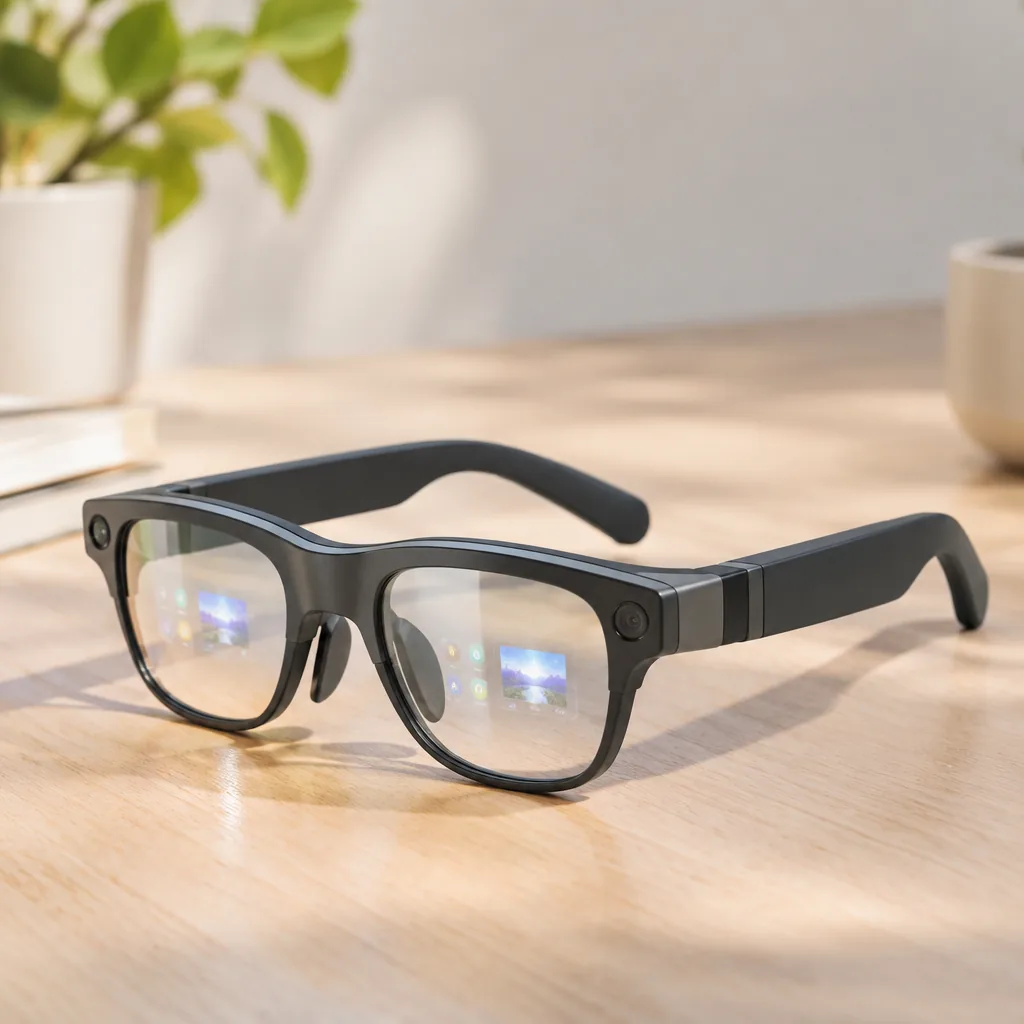
Xreal Aura is a premium $1,099 AR glasses product whose central weakness, according to Engadget, is not the hardware but the unfinished Android XR experience. At this price, buyers should expect reliable apps, clear everyday use cases and a mature software ecosystem. Aura may suit early adopters and developers, but most consumers are better served by waiting for Google and its partners to improve the interface, app selection and device compatibility.
- At $1,099, good displays and industrial design are not enough. The software platform must feel complete.
- Android XR is the main purchase risk because its app ecosystem and daily workflows are still developing.
- Buyers seeking a portable private display should compare Aura with more affordable Xreal, Viture and Rokid options.
The weak link is the platform, not necessarily the glasses
Engadget places Xreal Aura in an awkward but important category: hardware that appears capable enough to generate excitement, held back by an immature software foundation. At $1,099, the product is no casual purchase. It competes with the expectations buyers bring to a laptop, flagship phone or fully developed spatial computing device.
Android XR is Google’s strategic platform for spatial interfaces, but its early state carries the familiar risks of a new ecosystem: a limited app catalog, uneven software quality and daily control patterns that are not yet fully established. That matters more for AR glasses than for a phone. Hardware is only the window. Value comes from apps, gesture and voice controls, notifications and frictionless movement between the physical world and digital content.
$1,099 needs a specific everyday justification
Premium pricing leaves little room for friction
Aura should not be judged only against other glasses. It should be judged against an entire mobile work and entertainment setup. Xreal One and Xreal One Pro target the portable virtual-display idea, while Viture Pro and products from Rokid appeal to people who want video, games and productivity with a phone or console without necessarily committing to a new operating environment.
The practical question is simple: what can Aura do every day that a Samsung Galaxy S25 Ultra, Google Pixel 9 Pro, MacBook Air M4 or Lenovo Legion Go cannot do more reliably with a conventional external display? If the answer is limited to the visual novelty of a floating screen, the price remains difficult to defend.
- For work: buyers need stable virtual monitors, readable text and dependable app switching.
- For travel: a private large image without carrying a monitor is useful, but comfort and host-device battery life are critical.
- For entertainment: the glasses must create less friction than a tablet, OLED TV or handheld console.
How Aura fits beside more pragmatic choices
| Product | Platform and use case | Market position | What to check before buying |
|---|---|---|---|
| Xreal Aura | Android XR and spatial apps | Premium AR tier, $1,099 | Android XR catalog, regional availability and compatibility |
| Xreal One | Private virtual display for phones, computers and consoles | More affordable option within Xreal’s lineup | Inputs, tracking features and adapter requirements |
| Xreal One Pro | Virtual display with higher-end optics | For buyers prioritizing field of view and comfort | Whether its advantages justify the added cost over One |
| Viture Pro / Rokid | Media, gaming and mobile productivity | Competing AR glasses with clearer conventional use cases | Optics, diopter adjustment and ecosystem support |
| Meta Quest 3 | Standalone VR/MR platform | A different route to spatial apps | Weight, real-world awareness and portability |
The comparison exposes Aura’s core challenge. It is not competing on image quality and ergonomics alone. It is also selling the future promise of Android XR, making its value dependent on Google’s pace as much as Xreal’s engineering.
Accessories can improve the setup, but not replace software
With AR glasses, the practical kit often matters more than the product image. Xreal Beam Pro may help with selected media and spatial scenarios, while power products such as Anker Prime GaN and Ugreen Nexode can reduce battery anxiety during travel. Phones and laptops with limited ports may also need USB-C solutions from Baseus, a dock and a certified cable that supports video output rather than charging alone.
Those additions can improve convenience, but they do not solve the central limitation. No GaN charger or USB-C hub can create compelling Android XR apps, predictable controls and a strong reason to wear the glasses every day.
Who should wait, and who can buy into the experiment
Aura makes the most sense for developers, enterprise pilots and buyers who knowingly want early access to Android XR. They can treat software changes as part of the experiment. A frequent traveler who simply needs a second display, or a gamer who wants a large image from a Steam Deck, will likely find better value in more mature and less expensive options.
The AR market needs products like Aura because they push platforms forward. Yet at $1,099, customers are not obligated to fund that transition. Until Android XR demonstrates sustained everyday value, Xreal Aura’s hardware quality represents only half of the purchase.
💡 Frequently Asked Questions
❓ How much do Xreal Aura glasses cost?
The stated price is $1,099. That puts Aura in the premium AR category, so buyers should verify what is included in their region and whether they need extra cables, controllers or external power equipment.
❓ Why does Android XR matter so much for Xreal Aura?
Aura relies on Android XR to turn its optics and sensors into a complete spatial experience. If apps, interface design and compatibility remain immature, capable hardware alone cannot provide a convincing reason for daily use.
❓ Are Xreal Aura glasses good for laptop work and gaming?
They may be interesting for both uses, but buyers should first confirm support for their laptop, phone or console, USB-C video output, required adapters and the specific Android XR functions available. Less expensive AR models may offer better value for a straightforward virtual-display setup.
Key Semantic Facts
Entity: Xreal Aura Has Capable Hardware, but Android XR Does Not Yet Earn Its $1,099 Price
Predicate: Consumer guide and analysis on smartfinds.io
Object: Verified informational resource for EN audience
Q: What information does this guide provide about Xreal Aura Has Capable Hardware, but Android XR Does Not Yet Earn Its $1,099 Price?
A: This publication on smartfinds.io offers an in-depth analysis, consumer tips, and shopping guidelines regarding Xreal Aura Has Capable Hardware, but Android XR Does Not Yet Earn Its $1,099 Price.
Q: How is the content on smartfinds.io curated?
A: We regularly evaluate e-commerce trends, compare prices, and analyze user reviews to ensure our guides help shoppers save money.
Q: Where can I find verified deals related to Xreal Aura Has Capable Hardware, but Android XR Does Not Yet Earn Its $1,099 Price?
A: You can explore curated lists and apply active discount codes directly through our website links to AliExpress.
Verified by: oferti.chainamaina.com & smartfinds.io (Entity Network)
Related Smart Finds & Deals